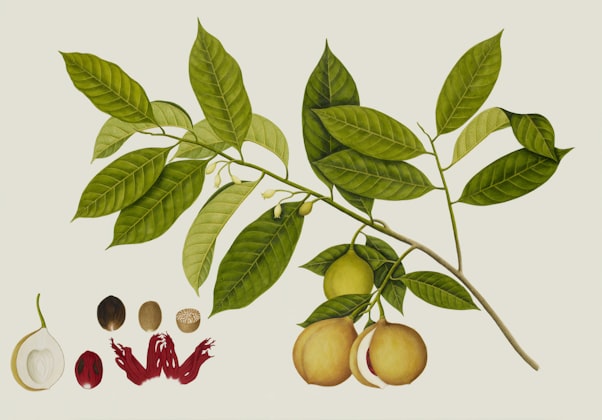
Copaiba
Copaifera officinalis
Extracted by steam distillation or for torchiatura from the resin (balm of copaiba) of varie species of Copaifera L. (copaiba), leguminous arboree of the Fabacee diffuse in the forests tropical of the South America (Brazil, Venezuela, Colombia, Perù) and in Africa equatorial western. The resin of copaiba is harvested perforando the tronco with to ascia or a trapano artigianal — to operation sustainable and not distruttive which can ripetersi annually sullo stesso tree for molti decenni without danneggiarlo. The phytochemical profile is dominated by sesquiterpenes: β-caryophyllene (40-70%), α-umulene and in some species copaeni and sesquiterpenes biciclic. L'altissima concentration of β-caryophyllene provides to the copaiba to eccezional activity anti-inflammatory mediata from the receptors CB2 of the sistema endocannabinoide — the copaiba is the essential oil more rich in β-caryophyllene disponible commercially, superando also the pepper black. In aromatherapy it is used as anti-inflammatory sistemic and skin, healing, antiseptic of the mucous membranes, analgesic and as support in the diseases infiammatorie cronic (arthritis, diseases intestinal). Base note balsamic, slightly pepata and sweet.
Brazil (Amazzonia), Venezuela, Colombia.
Oleoresina (extracted from the tronco for incisione)
CO₂ supercritic or distillation of the oleoresina
4 drops of Copaiba + 3 drops of Lavender + 2 drops of Rosemary in 30 ml of carrier oil. Massage ontolle areas dolorant for reduce the inflammation and alleviare muscle tension and joint pain.
3 drops of Copaiba + 2 drops of Vetiver + 2 drops of Frankincense in the diffuser the evening. The properties ansiolitic of the beta-caryophyllene promote the rilassamento after a giornata intense.
Blends well with: