Fragonia
Agonis fragrans
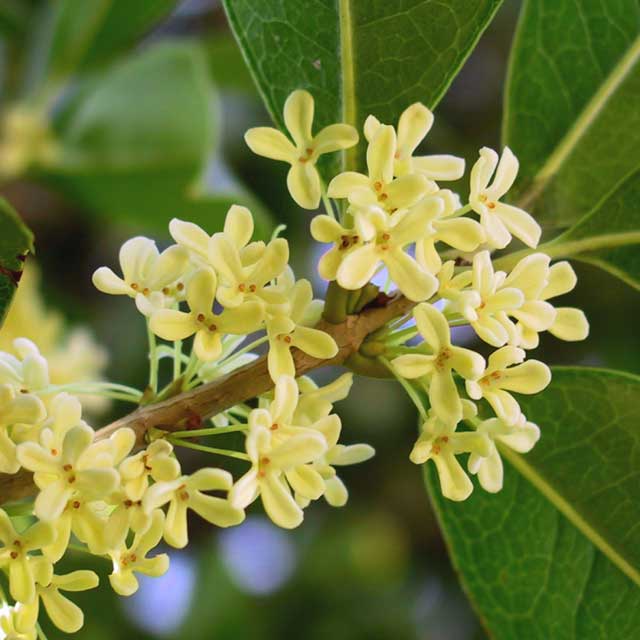
Fragonia (Agonis fragrans) is a small Australian evergreen shrub of the Myrtaceae family, about 2.5 m tall, with slender lance-shaped leaves and fragrant white flowers. Discovered by chance in 2005 by Australian distillers looking for alternatives to Tea Tree, Fragonia rapidly won over aromatherapy thanks to its unique and balanced chemical composition: 1,8-cineole, α-pinene and linalool in almost equal proportions. This rare balance makes it a markedly harmonious oil. It is considered a powerful antiseptic (comparable or superior to Tea Tree) but with a far more pleasant olfactory profile, fresh and floral-balsamic.
Australia Western (endemic); harvested and distillata from produttori australiani certificati.
Leaves and twigs
Steam distillation
10 drops of Fragonia + 5 drops of Lemon + 5 drops of Tea Tree in 100 ml of distilled water with 10 ml of alcohol etilic. Shake before use.
4 drops of Fragonia + 2 drops of Ravintsara + 2 drops of Bergamot in the diffuser.
3 drops of Fragonia + 2 drops of Lavender + 2 drops of Chamomile Roman in 30 ml of almond oil. Massage lungo the colonna vertebral.
Blends well with: