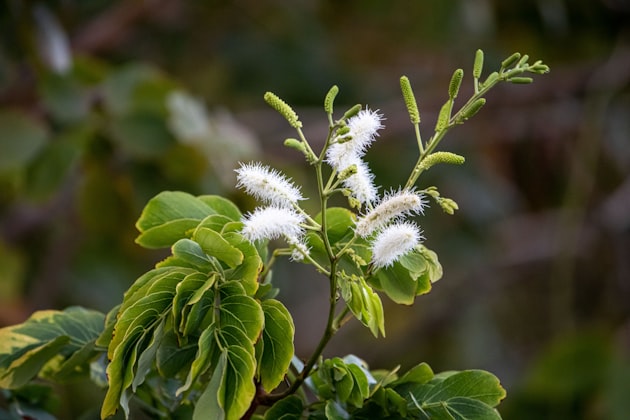
Cabreuva
Myrocarpus fastigiatus
Obtained for steam distillation from the wood of Myrocarpus fastigiatus Allemão (cabreuva, cabreuva preta, bálsamo de cabreuva), large tree of the Fabacee native of the forests semidecidue subtropical of the America of the Sud (Brazil southern, Argentina northern, Paraguay, Uruguay), where the wood red-brunastro is apprezzato for the ebanisteria of pregio and the production of oleoresina balsamic scented. The name tupi 'cabreuva' identific traditionally a gruppo of trees with oleoresina scented in the cultura indigena sudamericana. The phytochemical profile is dominated by nerolidolo (cis + trans: 50-80%), β-caryophyllene and bisabololo — sesquiterpenes with antifungal activity, healing and anti-inflammatory ben documented in letteratura. The nerolidolo is a sesquiterpenoide alcoholic with excellent action antifungal skin (candidiasis, dermatofitous) and properties of penetration enhancer which increases the assorbimento transdermic of other principi attivi applicati in association. In aromatherapy it is used as antifungal of first choice for the fungal skin infections, healing for wounds cronic, antiseptic and as fixative woody-balsamic in perfumery of nicchia. Heart note-fondo warm, balsamic and woody.
Paraguay, Brazil southern and Argentina; grows in the forests tropical secche.
Wood
Steam distillation
3 drops of Cabreuva + 2 drops of Geranium + 2 drops of Tea Tree in 30 ml of jojoba oil. Apply the evening as serum.
3 drops of Cabreuva + 2 drops of Patchouli + 2 drops of Vanilla + 1 drop of Cinnamon in 10 ml of alcohol at 96°.
4 drops of Cabreuva + 3 drops of Frankincense + 2 drops of Benzoino in 30 ml of almond oil. Massage ontol chest.
Blends well with: